



Introduction
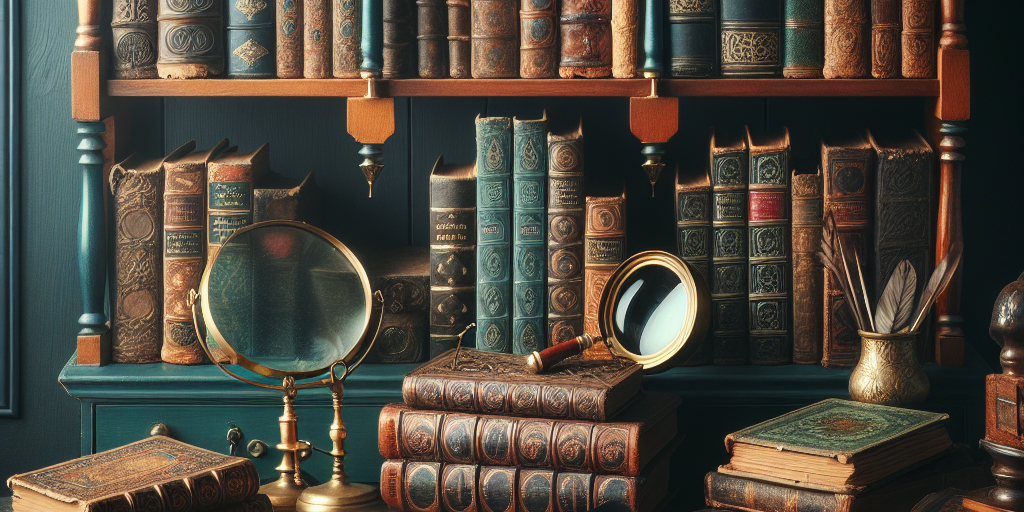
Collecting rare books is both a fascinating and fulfilling hobby. A well-curated collection can be a source of joy, education, and aesthetic pleasure. This guide will introduce you to the basics of building a rare book collection, from understanding what constitutes a “rare” book to where to find them.
What is a Rare Book?
A rare book is generally considered to be one that is hard to find, limited in quantity, or has significant historical, literary, or artistic value. Here are a few features that may characterize rare books:
- Limited Editions: Books published in small numbers.
- First Editions: The first printing of a book before any revisions or reprints.
- Signed Copies: Books personally signed by the author.
- Unique Characteristics: Special bindings, illustrations, or provenance that add value.
Building Your Collection
Here are some steps to guide you in building a rare book collection:
1. Define Your Focus
Before you start collecting, it’s essential to have a focus. Determine which genres, authors, or themes interest you the most. This could range from classic literature to science fiction, or even historical texts.
2. Educate Yourself
Understanding the book market is crucial. Read books and articles about book collecting, and consider joining clubs or forums where you can discuss rare books with experienced collectors.
3. Set a Budget
Rare books can be costly. Set a realistic budget that considers both the purchase price and the potential costs of restoration and preservation.
4. Find Reputable Sources
Purchase from reputable dealers, auction houses, and rare book fairs. Online marketplaces like AbeBooks and eBay can also be useful, but make sure to verify the seller’s credibility.
5. Care and Preservation
Once you acquire rare books, proper care is essential. Store them in a climate-controlled environment, avoid direct sunlight, and use protective book covers or boxes when necessary.
Conclusion
Building a rare book collection is a rewarding journey that can lead to a deeper appreciation of literature and history. As you embark on this adventure, remember to enjoy the process of discovery and the stories each book has to tell.