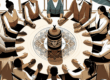





Family dynamics can be complex, filled with varying opinions and emotions. Yet, it is also in these complex relationships that we find opportunities for growth, understanding, and conflict resolution. This article delves into how family members can successfully bridge divides and foster resolution in times of conflict.
Understanding Conflict in Families
Conflict is a natural part of human relationships, often arising from differences in opinions, values, and beliefs. In family settings, these disagreements can become particularly contentious due to strong emotional investments. Recognizing that conflict is a major part of family life is the first step toward resolution.
The Role of Communication
Effective communication is vital in addressing issues within the family. Open, honest dialogue allows individuals to express their feelings without judgment. Here are some strategies to enhance communication:
- Active Listening: Give full attention, acknowledging the speaker’s feelings and perspective.
- Using “I” Statements: Frame issues from a personal perspective to avoid placing blame (e.g., “I feel hurt when…”).
- Setting Boundaries: Establish what is acceptable during discussions to maintain a respectful tone.
Empathy and Understanding
Empathy plays a crucial role in conflict resolution. Family members should strive to understand each other’s perspectives. This involves:
- Putting oneself in the other person’s shoes.
- Validating feelings, even if you disagree with the viewpoint.
- Encouraging open-ended questions that promote dialogue.
Finding Common Ground
Identifying shared values or goals can help bridge divides. Family members should focus on:
- Collaborative problem solving rather than competition.
- Creating solutions that are acceptable to all parties involved.
- Building on mutual trust and respect.
Seeking Mediation
Sometimes, conflicts can escalate and resolve internally may become challenging. In such cases, seeking the help of a mediator, such as a family counselor, can offer a neutral perspective and help guide discussions.
Building a Family Culture of Resolution
Families can foster a culture of resolution by encouraging practices like regular family meetings, where issues can be discussed openly in a safe environment. This proactive approach can help prevent conflicts from escalating.
Conclusion
Conflict resolution in families requires effort, patience, and a commitment to understanding. By embracing effective communication, empathy, and a collaborative spirit, family members can learn to bridge divides and create a harmonious family environment.